WHAT IS HITKARI KHETI?
'Hitkari' means beneficial. True to the meaning, Hitkari Kheti is a unique organic farming initiative of Divya Jyoti Jagrati Sansthan focusing on the revival of agro-ecosystems for the benefit of the farmer, the consumer, the nation and the nature as a whole. The post green revolution period saw intensive chemical- based, hybrid seed, monoculture farming which completely devastated agroecosystems and led humanity to the present day agrarian crisis marked by intoxicated soil, poor yields, and dried aquifers, lost biodiversity, farmer dependent hybrid seed companies and crippled agrarian economies. Living the universal principle of unity of life, Hitkari Kheti, is an archetypal holistic model of sustainable farming addressing each and every aspect of this multi-layered agrarian crisis. Complementing the traditional know- how with modern technology, Hitkari Kheti is a living research lab successfully demonstrating low- cost, replicable and sustainable nature- based methods of soil improvement, seed improvement , crop diversification and pest management. In addition, it is an active conservation centre working towards the revival and enhancement of the rich Indian heritage of desi seeds for realizing seed sovereignty for Indian farmers. With all these systems in place Hitkari Kheti is also a knowledge hub educating and motivating farmers to shift towards organic desi seed farming as well as attracting experts, researchers and students for learning and knowledge exchange on the subject.
Reviving the rich Indian heritage of Desi (Indian) Seeds
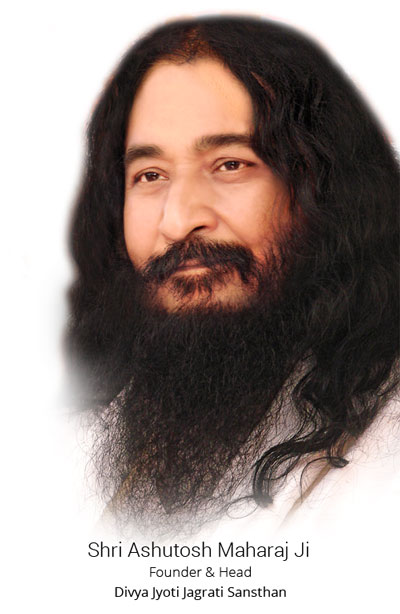
We are actively working on conservation, enhancement and promotion of Desi (Indian) varieties of seeds carved in Nature's own grand lab after several trials over millions of years.Shri Ashutosh Maharaj Ji
Reviving the Principle of ‘Welfare and Prosperity to All’ in modern agriculture
शुनं नः फाला वि कृषन्तु भूमिं शुनं कीनाशा अभि यन्तु वाहैः|
शुनं पर्जन्यो मधुना पयोभीः शुनासीरा शुनमस्मासु धत्तम्|| [Rigveda, 4.57.8]
May the ploughshare making furrows on the Earth bring welfare & prosperity to all, may the farmer driving the oxen bring welfare and prosperity to all. May Parjanya (the Rain God) by giving pure rainwaters bring welfare and prosperity to all & may Shuna & Shira (deities of the Farmers) bestow welfare and prosperity to all of us!
This humble prayer pronounced in the Kshetrpati Suktam of Rig Veda clearly puts forth that the Principle of Welfare and prosperity to all i.e. humans, plants, animals, soil, air and water stood at the heart of all agricultural activity in ancient India. However, in course of modernization, man digressed from this core principle of welfare and prosperity to all and started pursuing his own welfare and prosperity without thinking about others. As a result, agriculture which was once revered as an act of service now became a business venture running with the sole aim of earning more and more profits. Chemical additives to boast yields, poisonous pesticides and insecticides to get rid of pests, hybrid seeds for better quality, relentless drawing out of groundwater for irrigation, mono- cropping were the diverse means resorted to enhance personal profits. However, with chemical additives welfare of the soil was put at stake, with pesticides and insecticides life of the micro- organisms, insects, birds, animals was put at stake, with hybrid seeds the life of indigenous seeds carved in nature's own lab was put at stake and with subsidies on electricity and water pumps groundwater aquifers were put at stake, with mono- cropping nature's principle of unity was put at stake. Hence, with agriculture going synthetic life of humanity at large was put at stake. With welfare and prosperity of all at stake, the world today stands amidst the worst agrarian crisis. To alleviate the world out of this agrarian crisis, His Holiness Shri Ashutosh Maharaj Ji has been reviving the core principle of welfare and prosperity to all in modern agriculture through Hitkari Kheti- the DJJS Organic Farming Initiative for the revival of Agro- ecosystems. Based on the ecosystem approach of integrated management of land, water, air and living resources, Hitkari Kheti is a living model of sustainable agriculture ensuring welfare of all living and non- living components constituting the agricultural ecosystem. Read More...