In the cultural and spiritual traditions of Bharat, the Moon has long held a special place, symbolising the mind, tranquillity, nourishment and the rhythms of nature. Indian philosophical and Ayurvedic traditions explore the relationship between human well-being, seasonal changes and the natural environment. Within this understanding, Sharad Purnima occupies a distinctive place, bringing together cultural heritage, spiritual reflection and traditional health practices.
Celebrated on the full moon of the Hindu lunar month of Ashwin, Sharad Purnima marks the transition from the monsoon season (Varsha Ritu) to autumn (Sharad Ritu). Known by different names across India, including Kojagiri Purnima, Kaumudi Purnima, Kumara Purnima and Navanna Purnima, the festival is associated with abundance, devotion, seasonal renewal and spiritual fulfilment.
The Significance of Sharad Purnima
According to traditional Hindu belief, Sharad Purnima is the night when the Moon manifests all sixteen Chandra Kalas, symbolising completeness, nourishment, vitality and spiritual fulfilment. This association with fullness gives the festival its distinctive significance in Indian religious and cultural traditions.
From an astronomical perspective, Sharad Purnima occurs during the post-monsoon period, when clearer skies in many parts of India can provide favourable conditions for observing the full Moon and stars. Ancient Indian astronomers carefully studied celestial movements and seasonal cycles to develop sophisticated systems of timekeeping and lunar calendars.
The traditional significance of Sharad Purnima reflects a broader Indian worldview in which nature, astronomy, health and spirituality are interconnected. The festival invites us to observe seasonal changes, appreciate the natural environment and reflect on our relationship with the world around us.
Sharad Ritu: An Ayurvedic Perspective on Seasonal Well-being
Ayurveda places considerable importance on seasonal changes and their relationship with physical well-being. Its concept of Ritucharya describes dietary and lifestyle practices intended to support the body's adaptation to changing environmental conditions.
According to Ayurvedic principles, the rainy season can disturb digestive balance and influence the body's Doshas. During Sharad Ritu, Pitta Dosha, associated in Ayurveda with heat and metabolic processes, is traditionally considered prone to aggravation. Seasonal dietary and lifestyle recommendations therefore emphasise moderation, appropriate food choices and routines suited to the changing climate.
Within the Ayurvedic framework, Pitta aggravation is associated with symptoms such as acidity, burning sensations, skin irritation and digestive discomfort. These descriptions belong to the traditional Ayurvedic system and should not be treated as a substitute for medical diagnosis.
Ayurveda recommends adapting one's diet and daily routine to the season. Traditionally favoured foods may include rice, moong dal, pomegranate, pears, gourds and moderate quantities of ghee, depending on individual needs and suitability. Excessively spicy, oily or heavy meals may be reduced where they cause discomfort. Adequate hydration, regular sleep, mindful eating and a balanced daily routine also support general well-being.
Sharad Purnima provides a meaningful cultural occasion to revisit these principles of seasonal living. Its emphasis on balance and moderation resonates with the broader importance of preventive healthcare and attentive self-care.
The Spiritual Dimension of Sharad Purnima
Sharad Purnima is deeply associated with several important traditions in Hinduism, each expressing a distinct dimension of devotion and spiritual aspiration.
The Maha Raas Leela of Shri Krishna: According to Vaishnava tradition, Sharad Purnima is associated with Shri Krishna's Maha Raas Leela with Radha and the Gopis. This divine episode is understood as a spiritual expression of the soul's longing for and union with the Divine. The tradition of Gopeshwar Mahadev, associated with Lord Shiva's participation in the Raas Leela, further enriches the festival's devotional significance.
The worship of Goddess Lakshmi: In several regional traditions, Sharad Purnima is celebrated as Kojagiri Purnima. The name is associated with the question “Ko Jagarti?”—“Who is awake?” The observance encourages devotees to remain awake in prayer, devotion and reflection, seeking the blessings of Goddess Lakshmi, who symbolises prosperity and abundance.
The association with Lord Kartikeya: In certain regional traditions, the full moon is also associated with the birth or celebration of Lord Kartikeya, the son of Lord Shiva and Goddess Parvati.
Together, these traditions make Sharad Purnima an occasion for devotion, gratitude, self-reflection and spiritual renewal.
Sharad Purnima at DJJS: Eighteen Years of Promoting Ayurveda and Holistic Well-being
For the past 18 years, Divya Jyoti Jagrati Sansthan (DJJS) has been observing Sharad Purnima through initiatives that bring together spirituality, traditional health practices and community participation. With a pan-India presence, these annual celebrations reach more than 20,00 to 30,000 people every year, creating opportunities for health awareness, engagement with Ayurveda and the preservation of India's traditional wellness practices.
Under its Aarogya - The Holistic Health Program and Sharad Purnima Mahotsav, DJJS seeks to promote awareness of seasonal health, traditional Ayurvedic practices and the relationship between personal well-being and a disciplined lifestyle. These initiatives help bring traditional health knowledge to communities across the country and encourage people to engage more consciously with preventive healthcare and holistic wellness.
The celebrations have included Ayurvedic health consultations, health-awareness activities, meditation, Om chanting and spiritual discourses. By combining health education with spiritual reflection and community engagement, DJJS creates a platform where traditional knowledge and contemporary health awareness can complement one another.
A distinctive feature of the celebration is the preparation and distribution of traditional Sharad Purnima kheer. In Indian households, kheer has long been associated with nourishment, festivity and offering. Within the DJJS tradition, its preparation is approached with care, reverence and respect for customary methods.
Traditional preparation practices may incorporate a mitti chulha (earthen stove), wooden ladles, earthen cooking vessels and eco-friendly leaf bowls.Particular attention is given to cleanliness, hygiene and the careful handling of food throughout preparation and distribution.
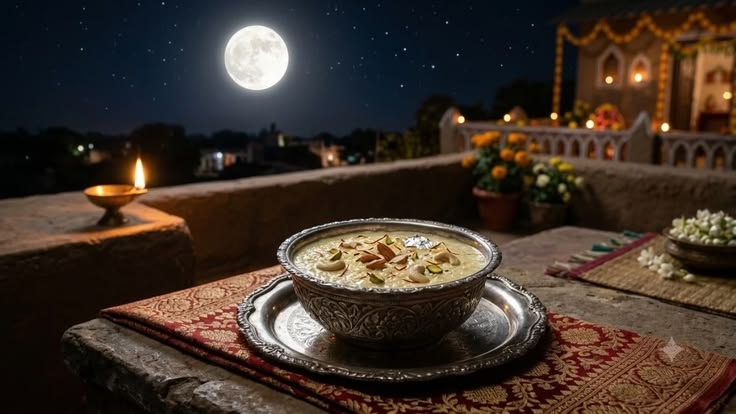
The kheer is traditionally associated with the cooling moonlight of Sharad Purnima and is offered as Prasad, symbolising gratitude, devotion and collective participation. Its cultural significance lies not only in the food itself but also in the shared observance that brings people together around a longstanding tradition.
Traditional beliefs concerning moonlight and the therapeutic properties of moonlit kheer form part of the festival's cultural heritage. However, specific medicinal benefits should not be assumed without adequate scientific evidence. Traditional preparations and dietary practices should complement, rather than replace, appropriate medical advice and treatment. Reviving Traditional Wisdom for Contemporary Well-being
The enduring relevance of Sharad Purnima lies in its invitation to reconnect with nature, observe seasonal rhythms and cultivate a balanced way of life. Its traditions encourage reflection, moderation, gratitude and awareness of the relationship between individual well-being and the surrounding environment.
Through 18 years of Sharad Purnima observances and its wider Aarogya initiatives, DJJS continues to promote Ayurveda and traditional wellness awareness across India, reaching more than 30,000 people annually through these celebrations. The initiative reflects the organisation's commitment to preserving cultural heritage while creating opportunities for spiritual engagement, health education and community participation.
Sharad Purnima thus represents more than a seasonal festival. It offers an opportunity to appreciate India's cultural heritage, deepen spiritual awareness and renew our commitment to responsible, balanced and compassionate living.