
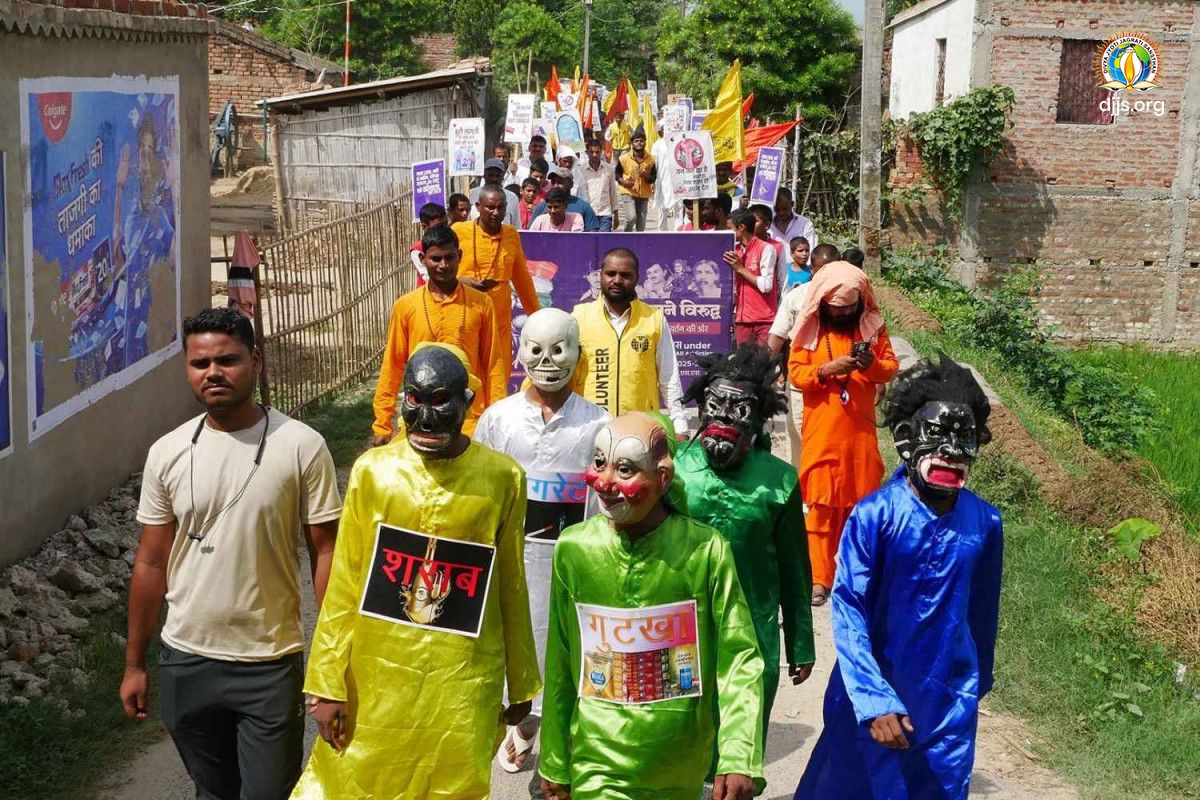
For nearly two decades, Bodh (meaning “Awakening”)—the Drug Abuse Eradication Programme of Divya Jyoti Jagrati Sansthan (DJJS)—has worked to strengthen individuals and communities through preventive education, community mobilisation, and awareness-led interventions that promote healthier and more conscious lifestyles.
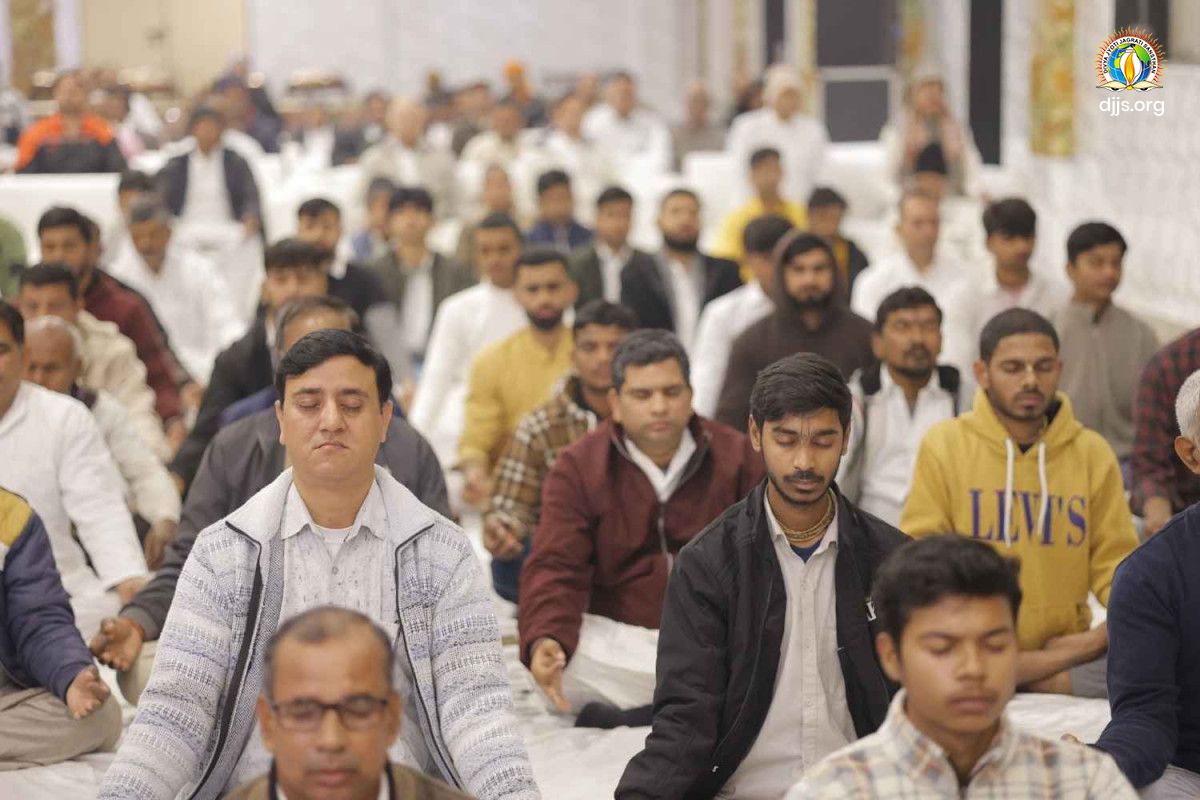
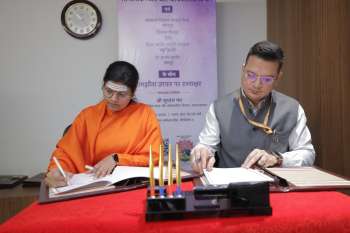
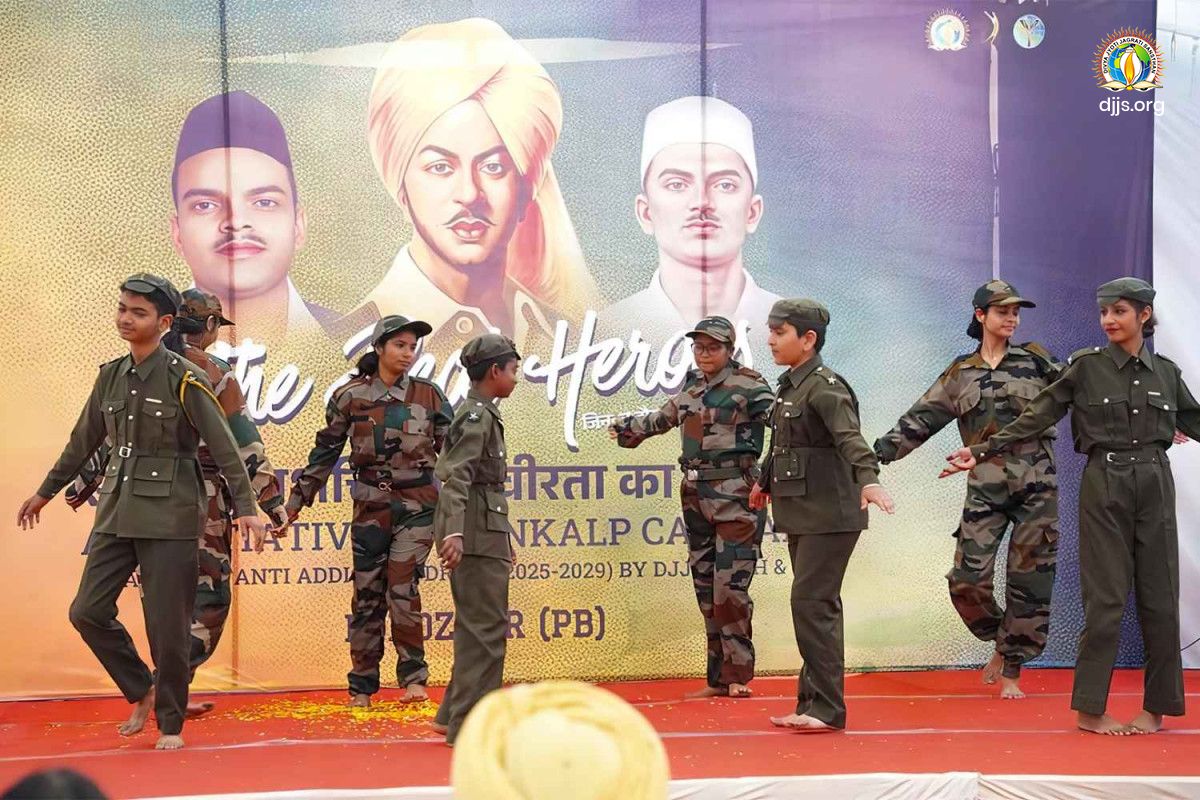
Building on this legacy and contributing to the national vision of a Nasha-Mukt Bharat, DJJS Bodh, in collaboration with YPSS (Yuva Pariwar Sewa Samiti), launched the SANKALP Campaign – Drug-Free India (2025–2029) on 16 February 2025 during Kumbh Mela 2025. Conceived as a focused, phase-wise movement, SANKALP seeks to address addiction through awareness, prevention, counselling, and support, driven by collective participation. Structured around four strategic initiatives, the campaign carries a long-term vision of reaching 25 lakh individuals over five years.
Today, as SANKALP completes its first year of implementation (April 2025–March 2026), the campaign reflects measurable progress, expanding outreach, and growing public participation.
During the year, SANKALP conducted 348 programmes, reaching 456,740 beneficiaries and achieving approximately 18.27% of its five-year outreach target within its first year. The campaign expanded across 16 states—Uttar Pradesh, Rajasthan, Bihar, Maharashtra, Haryana, Madhya Pradesh, Uttarakhand, Punjab, Delhi, Assam, Jharkhand, Gujarat, Karnataka, Chhattisgarh, Jammu and Kashmir, and Telangana—through 68 DJJS branches, extending its outreach across educational institutions, workplaces, healthcare platforms, and communities.
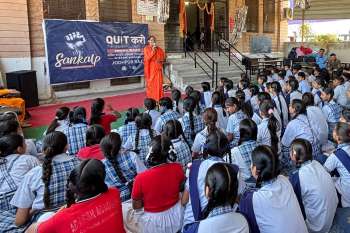
A defining strength of SANKALP’s first year was its extensive institutional engagement, with 126 institutions participating in the campaign. These included 109 schools, 8 colleges and universities, and 9 hospitals, corporate entities, and social organisations. These collaborations enabled preventive awareness and informed conversations around healthy lifestyles across diverse sections of society, helping strengthen collective participation in building healthier environments.
The campaign translated awareness into action through diverse interventions, including community awareness programmes, mass sensitisation drives, youth awareness workshops, counselling and treatment support initiatives, training workshops, and workplace awareness programmes. These efforts created meaningful opportunities for individuals and communities to engage in conversations around prevention, healthy choices, and long-term well-being.
Rooted in Bodh’s philosophy of awakening from within, the campaign broadened the understanding of addiction beyond substance use alone. Along with raising awareness about tobacco and alcohol use, SANKALP addressed emerging behavioural challenges, including unhealthy habits and digital dependency. More importantly, participants were encouraged to recognise that addiction-free living is not merely about avoiding harmful behaviours; it is about cultivating awareness, self-control, emotional resilience, and healthier life choices.
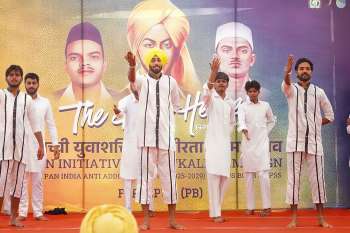
This year’s outreach unfolded through SANKALP’s Four-Pillar Framework, with each phase addressing a distinct dimension of addiction prevention and behavioural transformation—from value-based inspiration and substance-use prevention to self-reflection and mindful living.
The campaign’s momentum was further strengthened by the participation and encouragement of public representatives, university leaders, doctors, principals, counsellors, administrators, police officials, educationists, and social leaders, reflecting broad-based support for preventive action.
Its impact was further reinforced through numerous appreciation letters from participating institutions and stakeholders. Widespread coverage across local and national media platforms—including Navbharat Times, Hindustan, Dainik Jagran, Amar Ujala, iNext Jagran, and Hans India—also helped extend the campaign’s message to wider audiences and strengthen public conversations around addiction prevention.
As SANKALP advances towards its 2029 vision, the achievements of its first year represent not only measurable outreach, but also the growing momentum of a national movement—one that empowers individuals, mobilises communities, and strengthens India’s journey towards a healthier, Nasha-Mukt Bharat.